Watercolor Elephant Clipart: A Designer's Stitch Review
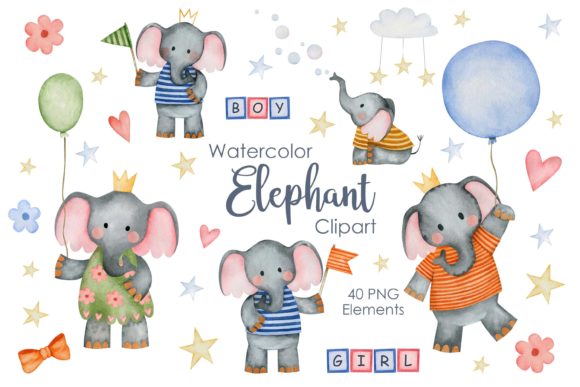
When I first pulled up the Watercolor Elephant Clipart on my screen, I didn't just see a cute animal; I immediately started mentally mapping out thread palettes and stabilizer choices. As someone who spends most of their day turning digital assets into tangible handmade products, my first instinct is always to critique how a design will translate from pixels to stitches. This particular piece falls under the category of Illustrations, which usually signals a need for careful handling regarding detail and density. The mood it creates is soft, whimsical, and gentle, making it an instant candidate for nursery decor or boutique baby items. However, the real test for any machine embroidery design is not how it looks on a monitor, but how it performs under the needle on actual fabric.
Translating Soft Edges into Thread
The visual personality of this elephant is defined by its fluid, organic shapes rather than rigid outlines. In the world of digitizing, "watercolor" effects are notoriously tricky. They rely on subtle gradients and bleeding colors that can easily turn into a muddy mess if the stitch density is too high or if the wrong stitch types are used. Upon closer inspection of the layout, the design seems to rely heavily on varied fill stitch directions to mimic the flow of paint. For a professional result, this means you cannot simply slap this onto a stiff canvas without testing. The lack of heavy black outlining gives it a modern, airy feel, but it also means the definition relies entirely on color contrast and stitch placement.
If you are planning to use this as a tote bag design or for sweatshirt embroidery, the softness is a major selling point. Customers today are moving away from the bulky, plastic-looking embroidery of the past and toward designs that feel integrated into the garment. This elephant fits that trend perfectly. It suggests a high-end, custom feel that can elevate a basic sweatshirt into a boutique item. However, because it lacks a hard border, the edges need to be clean. If the digitizing includes too many short jumps or loose tie-offs, those soft edges could fray or look messy after a few washes.
Real-World Application: The Baby Shower Scenario
To truly evaluate this asset, I imagined a specific real-life scenario: a custom order for a high-end baby shower gift set. The client wanted a personalized muslin swaddle and a matching organic cotton onesie. This is where Watercolor Elephant Clipart shines. The theme is inherently suitable for baby embroidery, evoking feelings of calm and playfulness. On a light-colored, soft fabric like muslin or jersey knit, the gentle transitions of the design would look incredibly delicate and expensive.
In this context, the design acts as a centerpiece for a personalized gift. Imagine pairing it with a simple script font for the baby's name. Because the elephant itself is illustrative and detailed, keeping the typography minimal ensures the final product doesn't look cluttered. For an Etsy seller or small shop owner, this combination creates a cohesive brand aesthetic. It tells the customer that thought went into the selection of the motif, not just a random clip art dump. The visual appeal here directly impacts perceived value; a well-executed watercolor-style embroidery can justify a higher price point than a standard block-color design.
Fabric and Hoop Considerations
While the aesthetic is strong, practical constraints must be addressed. Watercolor styles often involve many thread colors to achieve the gradient effect. Before committing to a production run, you must check the color separation. If the design calls for twelve different shades of blue and gray, ask yourself if the visual gain is worth the extra trim time and potential thread breaks. On textured fabrics like terry cloth or waffle weave, fine details in the trunk or ears might get lost. In those cases, this design is better suited for smooth surfaces like twill, broadcloth, or high-quality fleece.
Another critical factor is the hoop size. Illustrations often have wide aspect ratios or specific scaling needs. If you are attempting to shrink this down for a pocket logo on a cap or a small patch, the intricate internal details might collapse. Small hoop sizes demand simplified data. If the original file is large, ensure your embroidery software allows you to resize it without distorting the pull compensation. Conversely, if you are using it for a large pillow cover or blanket, ensure the stitch count isn't so astronomical that it causes fabric puckering over such a large area.
Commercial Viability and Brand Consistency
For creative entrepreneurs and craft business owners, consistency is key. Using Watercolor Elephant Clipart across a line of products—say, a series of kitchen towels, aprons, and tote bags—creates a recognizable visual language. This helps in building brand recognition. When a customer sees that specific soft, painted style, they should immediately think of your shop. This design asset supports that goal by offering a versatile yet distinct look that works well for holiday embroidery (think Easter or baby showers) as well as year-round nursery decor.
However, when dealing with commercial embroidery, durability is non-negotiable. Products meant for frequent washing, like aprons or children's clothes, require robust stitching. If the watercolor effect is achieved through very sparse running stitches or low-density fills, the design might wear out quickly. It is essential to review the underlay structure. A good digital embroidery file for this style should have sufficient underlay to anchor the top stitches, preventing them from shifting on stretchy fabrics. Without this, the "paint" effect could crack or separate after the first laundry cycle, damaging your reputation for quality.
Designer Notes for Best Results
Before you start stitching on your final inventory, here are my practical recommendations for working with this type of illustration:
- Test on Scrap First: Always stitch out the design on the exact fabric you intend to sell. What looks good on polyester might sink into cotton flannel.
- Check Contrast: View your printable mockup or test stitch in black and white. If the details disappear in grayscale, the color contrast in the thread chart might be too subtle for real-world viewing distances.
- Stabilizer Selection: For soft, drapey fabrics, use a cut-away stabilizer to support the weight of the fill stitches without adding unnecessary stiffness. For hats or structured bags, a tear-away might suffice, but be careful not to distort the soft edges when tearing.
- Review Licensing: Since this is a design asset intended for commercial use, double-check the license terms. Ensure you are allowed to sell finished physical goods like embroidered patches or apparel, and clarify if you can resell the digital file itself.
- Density Check: If the design feels too stiff after stitching, consider editing the fill density in your software. Reducing density by 5-10% can often improve the hand-feel without sacrificing visual integrity.
Ultimately, Watercolor Elephant Clipart offers a beautiful bridge between traditional artistic mediums and modern embroidery. It requires a bit more foresight and testing than a standard block logo, but the payoff in terms of aesthetic charm and market appeal is significant. Whether you are creating a one-off personalized gift or stocking shelves for your small shop product line, treating this illustration with the technical respect it deserves will result in a finished product that delights customers and stands the test of time.