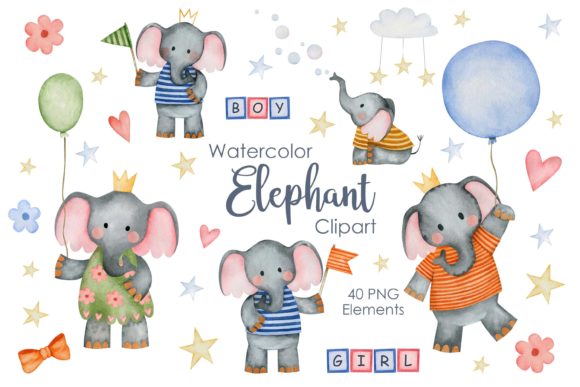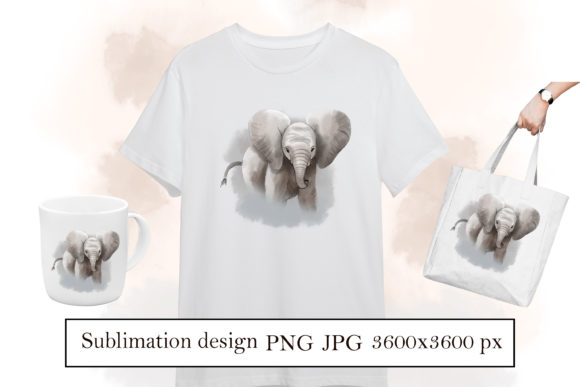
Reviewing Watercolor Animal Baby Elephant Png for Embroidery
As a designer who spends more time staring at stitch previews than actual scenery, I approach every new digital embroidery file with a mix of curiosity and skepticism. When I first pulled up the Watercolor Animal Baby Elephant Png, my initial reaction wasn't just about the cuteness factor—though let's be honest, a baby elephant is always a win—it was about translation. How does this soft, fluid aesthetic survive the rigid logic of a sewing machine? In the world of Illustrations, watercolor implies bleeding edges and subtle gradients. In embroidery, we are bound by thread colors, stitch density, and the physical limitations of fabric. This review breaks down how this specific design holds up when moving from a screen to a real-world embroidery project.
The Visual Personality and Mood
The first thing that strikes you about the Watercolor Animal Baby Elephant Png is its gentle demeanor. It lacks the harsh outlines often found in vector-based clip art, opting instead for a softer, more organic shape. For a handmade product intended for a nursery or a boutique baby line, this mood is perfect. It feels warm, inviting, and distinctly artisanal. However, from a technical standpoint, this "softness" presents a challenge. Watercolor effects rely on transparency and blending, which must be simulated in embroidery through careful color layering and stitch direction. If the design relies too heavily on running stitch without enough fill, it might look sparse on heavier fabrics. Conversely, if the fill stitch areas are too dense, you risk losing that airy watercolor feel, turning a delicate elephant into a stiff plastic-looking patch.
Real-World Application: The Custom Tote Scenario
To truly test this design, I imagined a common request I receive from clients: a custom tote bag design for a baby shower gift set. Picture a natural canvas tote, perhaps unbleached or a soft sage green. Placing the Watercolor Animal Baby Elephant Png centrally on this bag creates an immediate focal point. The organic shapes of the elephant complement the texture of the canvas beautifully. Unlike a geometric logo that might fight with the weave of the fabric, this illustration flows with it.
However, the success of this finished product hinges on thread selection. To mimic the watercolor look, you cannot simply use solid blocks of grey or blue. You need to pull multiple shades of thread—perhaps three or four varying tones of slate, teal, or soft grey—and blend them within the design. If you are using this as an applique design, the fabric choice for the applique piece becomes critical; a lightweight cotton with a slight texture would work better than a shiny satin, which would clash with the matte intent of the original image. For a sweatshirt embroidery project, the same design would need to be scaled up significantly to ensure the details don't get lost in the fleece pile.
Navigating Fabric and Hoop Constraints
While the design is versatile, it is not universal. There are specific scenarios where the Watercolor Animal Baby Elephant Png requires caution. First, consider hoop size. If your machine is limited to a 4x4 hoop, you may find yourself cropping out essential elements of the elephant's trunk or ears, disrupting the balance of the composition. Always check the dimensions of the file before committing to a project like a cap or a small pocket.
Textured fabrics are another variable. On a waffle-knit towel or a thick terrycloth robe, fine details can vanish. The watercolor style often includes subtle internal lines to suggest shading; on high-pile fabrics, these running stitch details might sink below the surface, rendering the elephant looking flat and undefined. Similarly, stretchy fabrics like jersey knits used in baby embroidery require a robust stabilizer strategy. Without a proper cut-away stabilizer, the weight of the stitches could cause the fabric to pucker, distorting the elephant's cute proportions into something unrecognizable.
Dark fabrics present a unique hurdle. Since watercolor designs often utilize white or light negative space to create highlights, stitching this directly onto a black hoodie might result in a loss of definition unless the design includes a dedicated underlay or background fill. In such cases, converting the concept into an embroidered patch first, then sewing that patch onto the dark garment, often yields a cleaner, more professional result.
Commercial Viability and Brand Consistency
For Etsy sellers and owners of small shop products, consistency is key to building trust. The Watercolor Animal Baby Elephant Png offers a strong branding opportunity for businesses focused on eco-friendly or gentle parenting niches. Its aesthetic aligns well with current trends in nursery decor and sustainable fashion. When used in printable mockup previews for your online store, ensure the digital representation matches the stitched reality. Over-saturating the colors in a mockup can lead to customer disappointment if the physical thread colors appear duller or different in person.
This design also shines in the realm of holiday embroidery or personalized gifts. Imagine a series of kitchen towels featuring different baby animals, with this elephant as the centerpiece. The visual appeal here drives buyer engagement because it feels less like mass-produced merchandise and more like a thoughtful, curated item. However, professionalism dictates that you verify the licensing terms. Just because a file is available doesn't automatically grant rights for commercial embroidery. Always confirm whether the license allows for unlimited sales of finished goods or if there are restrictions on the number of units you can produce.
Practical Notes for the Stitcher
Before you load this design into your machine for a client order, take these practical steps:
- Test on Scrap Fabric: Never skip this step. Stitch the design on the exact same material and weight you plan to use for the final product to check for puckering or registration issues.
- Check Thread Contrast: View your thread chart in black and white. If the different shades of blue or grey look identical in grayscale, the watercolor effect will be lost in the stitching.
- Review Stitch Density: Look closely at the preview. Are there areas where stitches cross over each other too many times? High density can make the fabric stiff and uncomfortable, especially for baby items.
- Inspect Small Details: Zoom in on the eyes and trunk tip. These tiny elements are prone to breaking or bird-nesting if the stitch count is too low for the detail level.
- Stabilizer Selection: Match your stabilizer to the fabric, not just the design. A watercolor style often looks best with a stabilizer that disappears completely, leaving no residue around the delicate edges.
Ultimately, the Watercolor Animal Baby Elephant Png is a charming asset that, when handled with technical care, can elevate a simple piece of fabric into a cherished keepsake. It bridges the gap between digital art and tactile craft, offering a softness that resonates with customers looking for something special. Whether you are creating a single personalized gift or building a catalog of design assets for your craft business, this design rewards those who pay attention to the nuances of thread and fabric. Treat it with the respect of a true illustration, and it will serve your projects well.